Claude's Cyber Verification Program Explained: What It Is, Who Can Apply, and Why It Matters
TrustByte Team
November 20, 2026
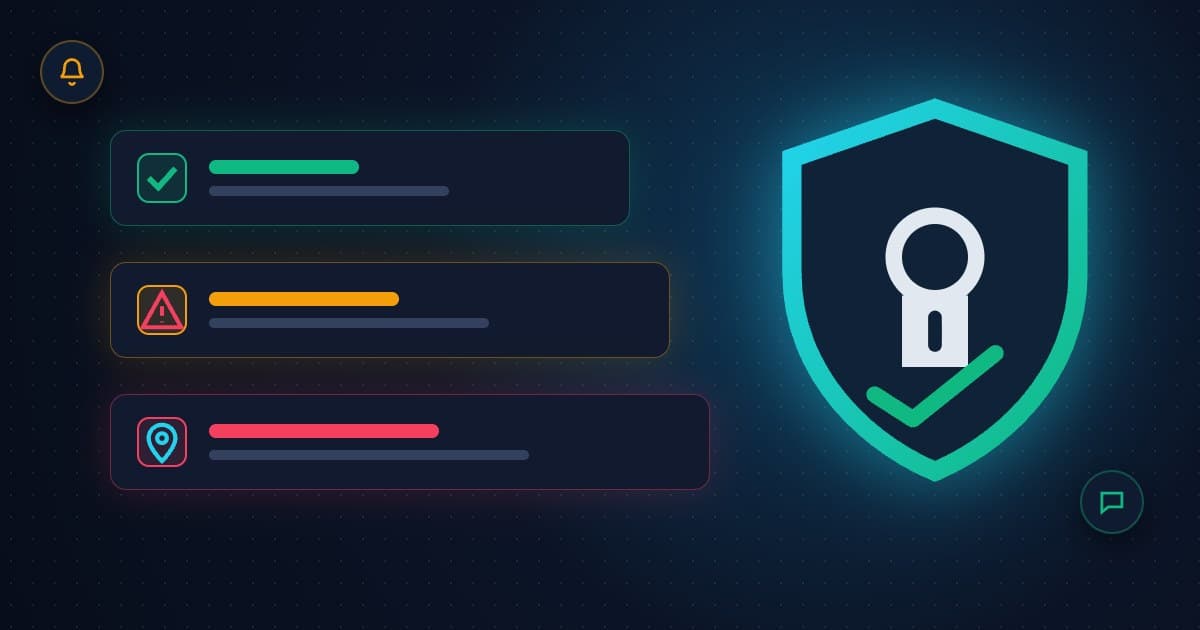
Ask a general AI assistant to help analyse a piece of malware, or to test whether your own server can be broken into, and there's a good chance it will refuse. That isn't the AI being unhelpful. The same knowledge that helps a defender close a hole can help an attacker open one, so AI companies block most of this work by default.
Anthropic, the company behind Claude, has a way around that for people who genuinely defend systems: the Cyber Verification Program. On 6 October 2026 it was expanded into three access tiers. Here's what it is, who it's for, how to apply, and what it means even if you never write a line of code.
What is the Claude Cyber Verification Program?
It's a vetting program. Security professionals and organisations prove who they are and what they do, and in return Anthropic relaxes the cyber safeguards on its most capable Claude models for their accounts. In Anthropic's words, "cybersecurity is inherently dual use": the publicly available models block most cyber work to stay safe, while verified defenders get access to the capabilities they need.
The program covers Claude Opus 5.5, Claude Sonnet 5.5, Claude Mythos 5.1 and future models. Project Glasswing, Anthropic's earlier program for critical-infrastructure testing, has been folded into it.
Why would an AI refuse security work in the first place?
Think of a locksmith. Teaching someone to open a lock is useful if they're a locksmith and dangerous if they're a burglar, and from a single question it's hard to tell which. AI models face the same problem at a much larger scale. Blocking by default keeps casual misuse down. The cost is that real defenders, such as an incident responder at 2 am or a researcher checking a new vulnerability, get blocked too. The verification program is how the honest locksmiths get their tools back.
What are the three access tiers?
- Defense Access: defensive work such as security operations, incident response, malware reverse-engineering and vulnerability analysis. It's open to security teams defending systems they own or maintain, critical-infrastructure operators of any size, smaller security firms, open-source maintainers, and individual researchers with a track record of reported vulnerabilities. Anthropic aims to respond within a few days.
- Red Team Access: everything in Defense Access, plus authorised penetration testing and red-teaming. It's for organisations only, such as in-house, government and penetration-testing red teams, and only against systems they're authorised to test. Some actions, like deploying ransomware, stay blocked in real time. Review can take a few weeks, and applicants get Defense Access in the meantime.
- Specialized Access: the fewest blocks, for a small number of verified organisations testing systemically important infrastructure such as power grids, flight systems and telecom networks. Running such infrastructure isn't enough on its own: applicants must show authorisation to test it and explain why Red Team Access isn't enough. Reviews are in-depth and done together with the US government.
Who can apply, and can individuals apply?
Yes, but only for Defense Access, and you need a track record such as vulnerabilities you've reported responsibly. Red Team and Specialized Access are only for organisations on Claude's Enterprise or API plans. One organisation applies once, and its admins then decide which workspaces get the access, rather than every employee applying separately.
How do you apply?
- Sign in to Anthropic's verification portal at portal.anthropic.com/programs/cvp with your Anthropic account.
- Choose the Cyber Verification Program and fill in the application: who you are, your organisation, and the security work you do.
- Provide proof of the security controls your tier requires. Anthropic verifies every applicant.
- Once approved, an admin assigns the access to specific workspaces in the Claude Console. It doesn't switch on everywhere by itself.
If you're already approved but Claude still blocks work your tier should allow, Anthropic has an appeal form for false positives.
What are the conditions?
The main one is data retention. Enrolled organisations must let Anthropic retain data so it can monitor for misuse. Anthropic says a feature called Enterprise Frontier Safeguards, expected later this year, will let eligible organisations keep that data in cloud infrastructure they control. The program runs on the Claude Platform, Google Cloud's Vertex AI and Microsoft Foundry. Amazon Bedrock is available only to customers eligible for Enterprise Frontier Safeguards. Anthropic's announcement doesn't list a separate price for the program, so normal Claude usage pricing applies to the models themselves.
What are the benefits for security teams?
- Faster incident response: analysing suspicious code and logs with the AI's help instead of fighting refusals
- Vulnerability analysis: understanding and validating a reported flaw before attackers use it
- Authorised testing at scale: for red teams, more realistic attack simulations against their own approved targets
- Help for small teams: smaller security firms and open-source maintainers get capabilities that used to need a large in-house team
I'm not technical. What does this mean for my business?
You probably won't apply yourself, and you don't need to. But it's worth knowing three things:
- Defenders are getting faster. Attackers already use AI. Programs like this give the people protecting your systems the same advantage, if they're verified.
- Ask your IT or web partner how they handle security. Do they patch quickly when a critical vulnerability is announced? Do they test your systems, with your permission? When this autumn's critical PHP flaw landed, we contacted every client the same day. That kind of response matters more than any single tool.
- Authorisation matters. Legitimate security testing is always done on systems the tester has permission to test. If anyone offers to "test" a system they don't own, that's a red flag, with or without AI.
Is this the same as just using Claude normally?
No. For everyday work such as writing, coding, analysing a spreadsheet or reviewing your own code for common mistakes, the normal Claude plans are what you need, and their safeguards won't get in the way. The verification program matters only for deep security work that the default safeguards are designed to block.
Anthropic also offers security tools that don't need verification. Claude Security reviews code the way a security researcher would, and Claude Code includes security guidance and automated code-review for developers. As Anthropic's cybersecurity page puts it, practitioners whose legitimate work overlaps with dual-use categories are the ones who apply for the program's adjusted safeguards.
Where can I learn more?
The details here reflect Anthropic's announcement as of 20 November 2026. Anthropic's cybersecurity page and its help article on real-time cyber safeguards explain the rest. Programs like this change quickly, so check the official pages before you apply. If you'd like a second pair of eyes on your website's or app's security, we're a software company based in Saidpur working with businesses across Rangpur division, the rest of Bangladesh and abroad. Read about the security holes we find most often, or get in touch.